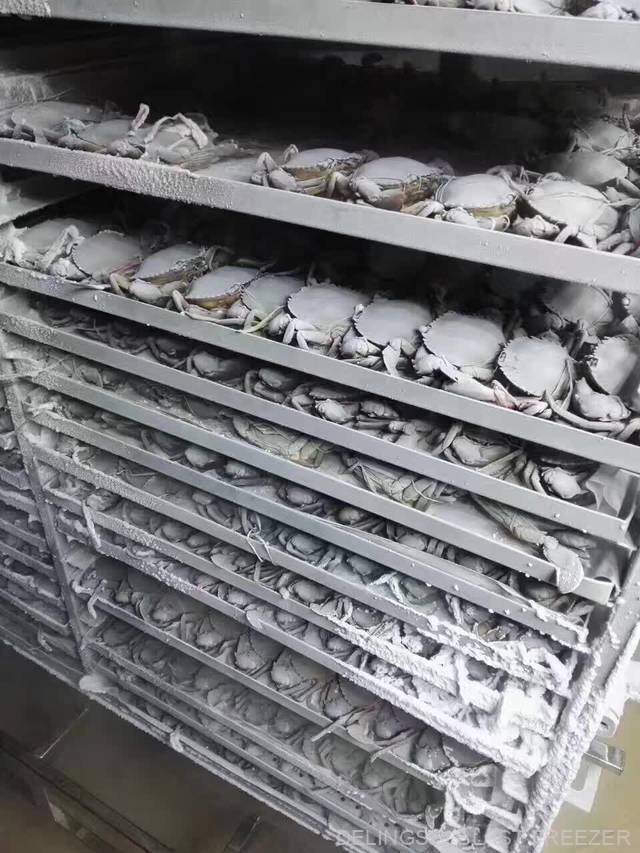
Why does seafood need to be refrigerated at ultra-low temperatures?
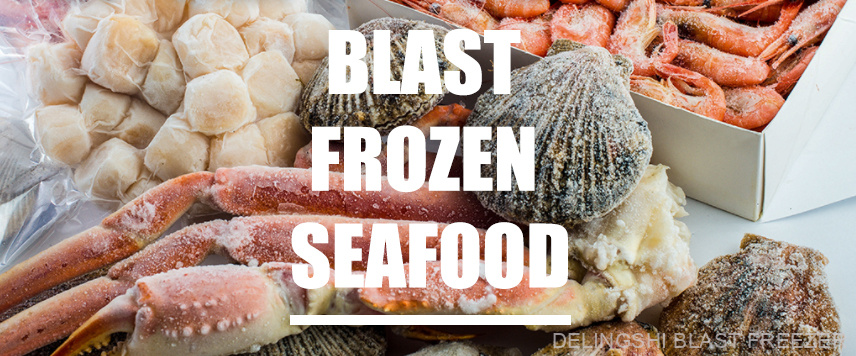
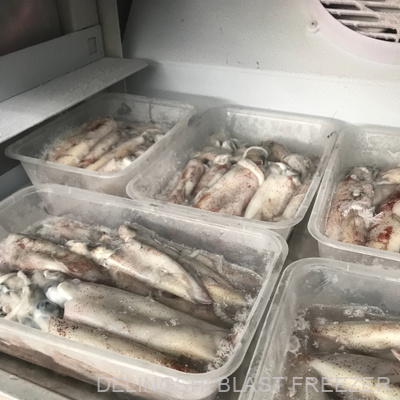
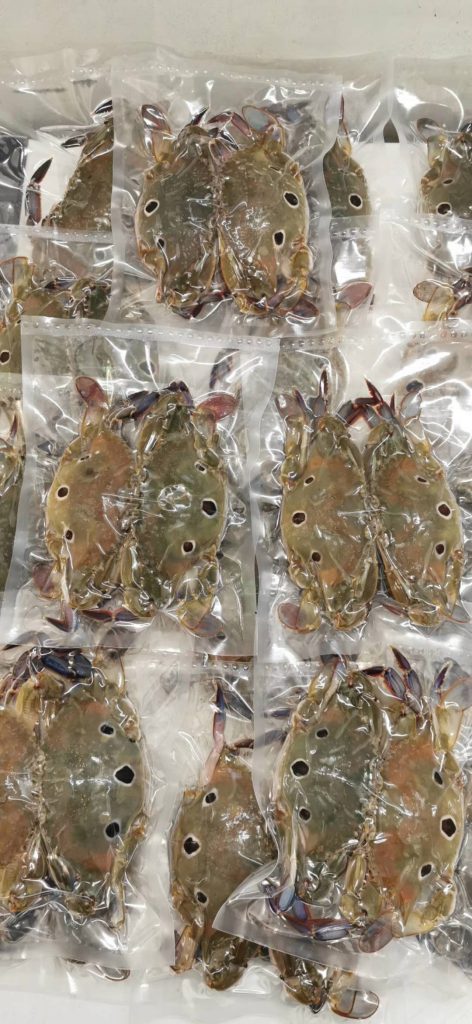
Due to the particularity of the living environment, most of the seafood will die soon after leaving the sea, and deteriorate quickly. Except for some cases (small net seafood on the ship or dock), the seafood we come into contact with is basically frozen fresh, that is, frozen seafood.
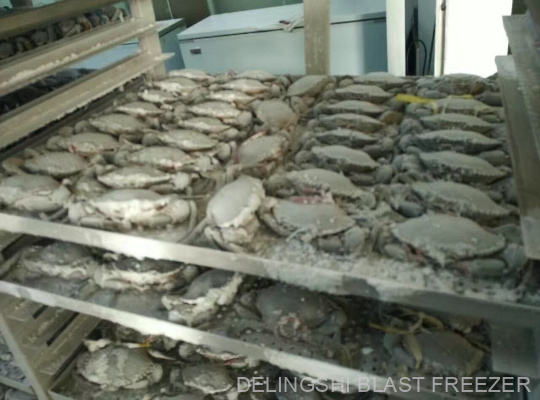
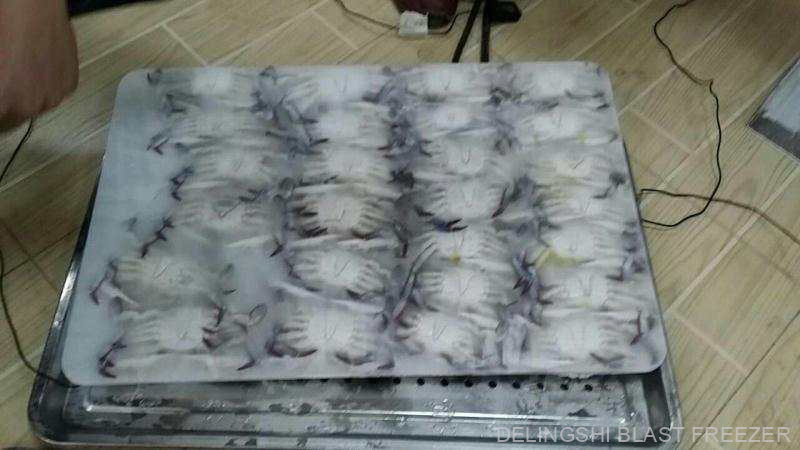
When seafood is frozen at low temperature, the cell liquid inside the cell begins to form ice crystals. The longer the process of forming ice crystals, the bigger the ice crystals will become. In this way, the more easily the cell membrane will be punctured, resulting in the loss of nutrients and the change of taste when the seafood is thawed. Conversely, the faster it freezes, the smaller the ice crystals become, and countless tiny crystals stick around the cells, ultimately ensuring the fresh taste of the seafood.
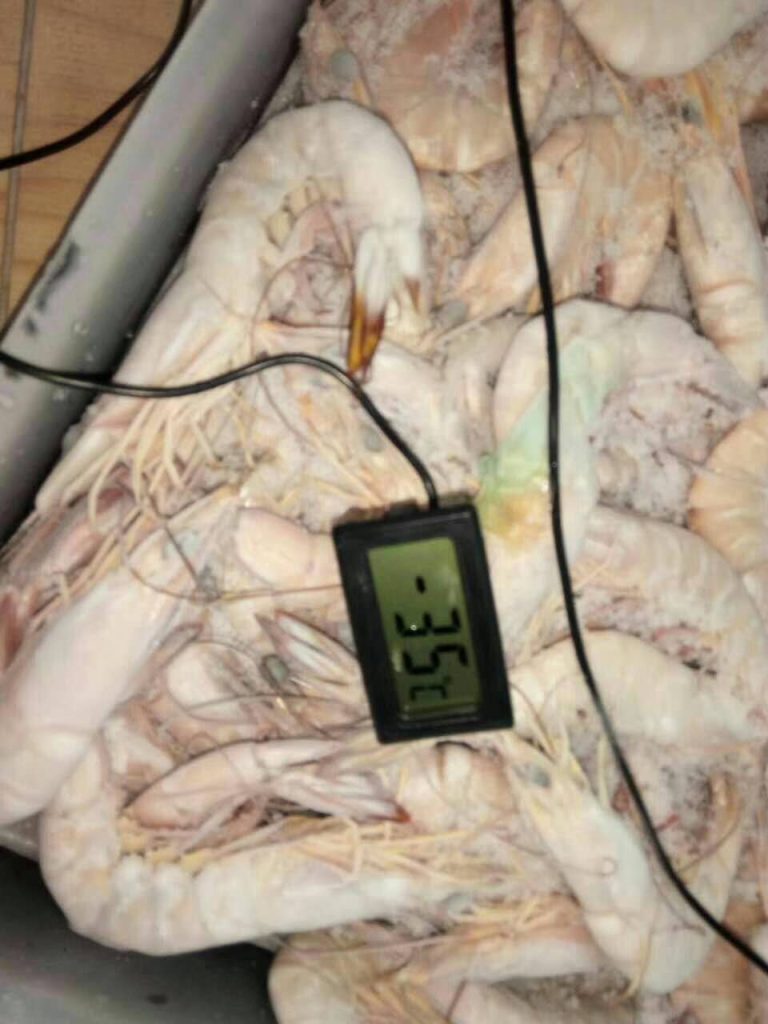
Traditional seafood freezing basically uses the freezing state of -18℃, because most cold storage freezing temperature is around this range. However, the ice crystals produced by this freezing state are pointed points, and rapid freezing and storage will puncture the cellular structure of the original seafood. Although the seafood will not deteriorate within a certain period of time (usually within three months), ordinary refrigeration will seriously affect the meat quality and color of the seafood, and it is easy to lose water, which will greatly affect the taste and lose the original delicious taste.
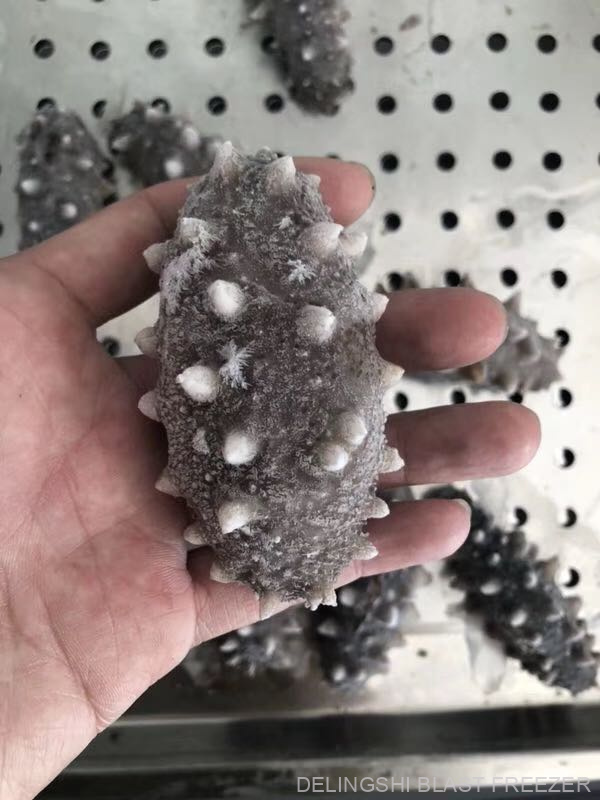
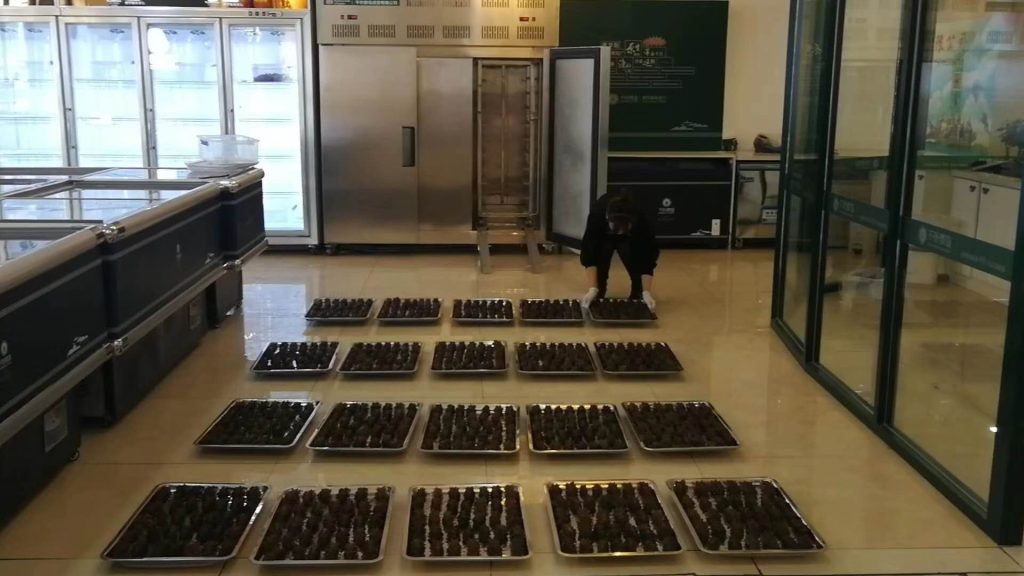
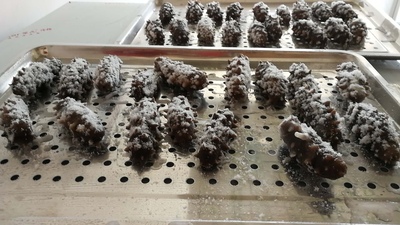
In people’s increasing pursuit of food taste requirements, ultra-low temperature seafood began to appear in the market. Because the ice crystals produced by the ultra-low temperature freezing method are round dots, the frozen and stored ice crystals do not destroy the original fish cell structure, the shelf life is long (usually up to 18 months), and the water does not lose, can instantly lock the original freshness, the color and freshness after thawing is almost consistent with the quality of the fish just caught.
There are three types of frozen seafood:
1: shore freeze. Fishing boats use ice on board to cool them down, then pull them ashore and freeze them. 2: fresh frozen. Fishing boats that come and go that day freeze live seafood on shore. 3: Ship frozen. After fishing, the seafood is frozen in the fresh state immediately on board. General modern far ocean fishing, will use the “ship frozen” way