Contract Us
fssenling@gmail.com
+63 9568878245
No. 20-1, Road 8, Qijiao Industrial Zone, Maicun Committee, Xingtan Town, Foshan, Guangdong, China
Advantages Of Frozen Fruits And Vegetables?
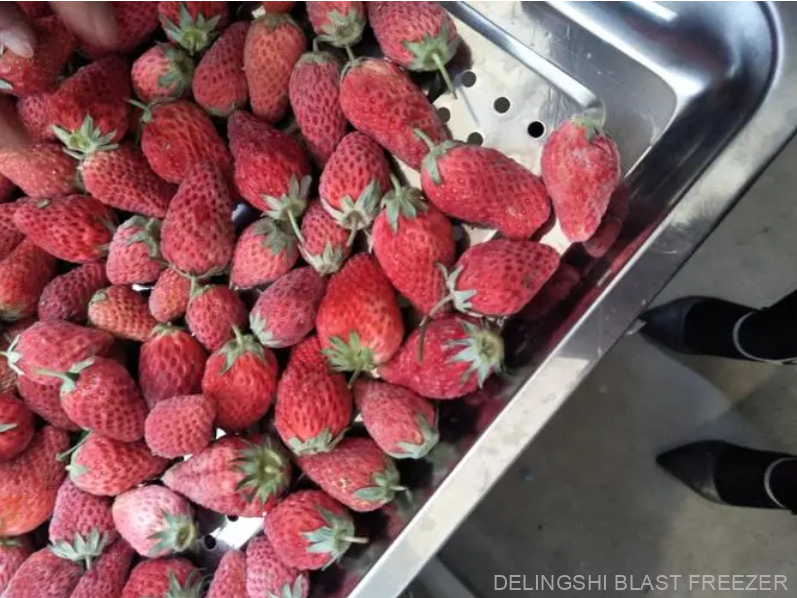
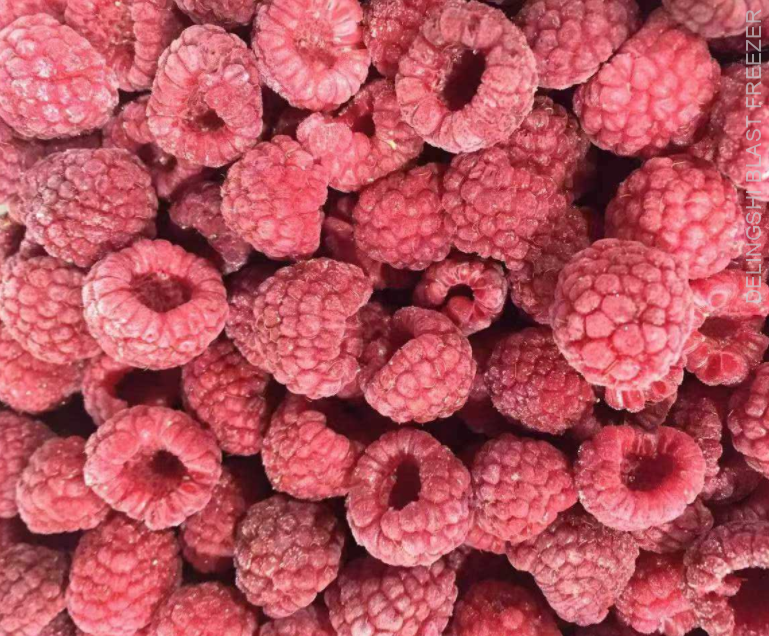
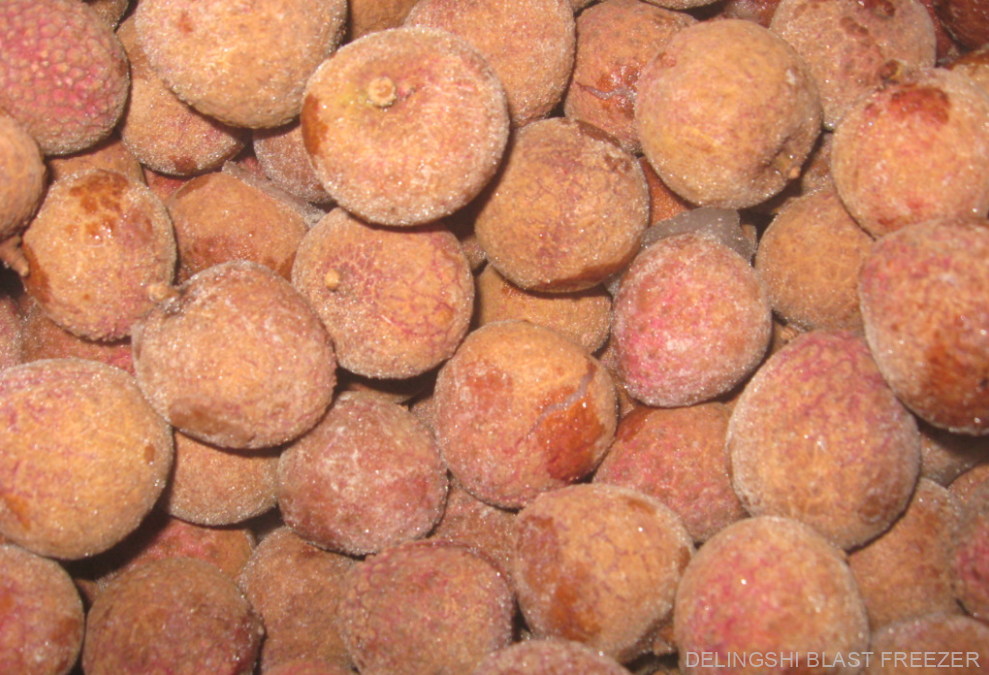
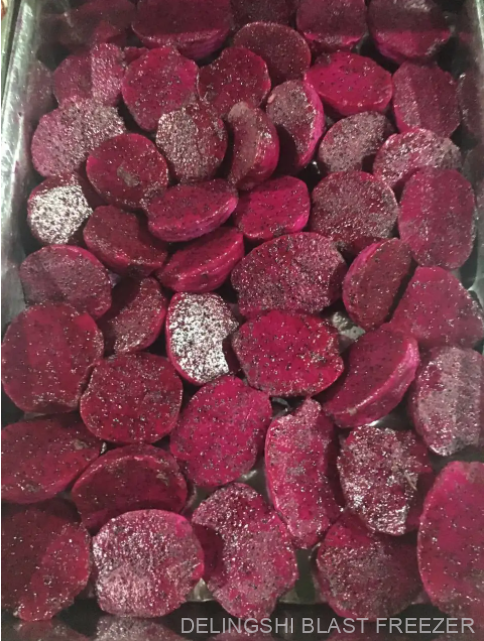
When we buy fresh fruits and vegetables, they have been picked, stored and transported for a long time. Some fruits, for example, don’t even reach the market until a week or more after being picked, during which time the fruit is still colorful but loses a lot of nutrients, especially vitamin C. However, when fruits and vegetables are frozen immediately — after they are picked and when they are at their freshest — they maximise their ability to lock in nutrients. Especially those fruits that are not easy to save or can not be stored for too long, such as strawberry, mango, yellow peach, lychee, etc., can be made into frozen fruit, to maximize the preservation of the nutrition in the fruit.
Frozen fruits and vegetables are made of fresh fruit and vegetable raw materials, after proper treatment and rapid freezing, at -18℃ to -20℃ continuous low temperature conditions delivered to the consumption place of low temperature fruits and vegetables. The biggest advantage of frozen fruits and vegetables is to preserve the original quality of fruits and vegetables at low temperature, without any preservatives and additives. With the original fruit and vegetable delicious, convenient, health, hygiene, nutrition, affordable (staggered seasons, improve food value, create higher benefits).
Technological process of frozen fruits and vegetables:
Raw materials – classification – cooling – cleaning – pretreatment – scalding – cooling, draining – frozen – packaging – frozen storage.
Did You Know That Frozen Vegetables Are Probably Safer And More Nutritious Than Fresh Vegetables?
1. Frozen vegetables are safer
Frozen vegetables will not be preserved in the process of microbial growth, will not spoil. Compared with vegetables stored and transported at room temperature for a long time, the safety is higher.
After fresh vegetables are picked, they will be pre-cooled first, reducing vegetable raw materials to about 0-10 ℃, and screening them in a low temperature environment, and then cleaning, peeling, cutting and other processing. Such as western blue flower cutting, corn shelled.
After that, according to the different varieties of vegetables, vegetables will be killed by microorganisms with hot water, steam, microwave and other ways, and biological enzyme inactivation treatment, so as to prolong the preservation time and flavor quality of vegetables
Finally, the vegetables will be cooled to -18 — 20℃ in a -30℃ quick-freezing workshop. After this series of operations, the microorganism, dirt and agricultural residues on the surface of vegetables have been effectively controlled.
It is safer than vegetables that have been stored in the wet market or at home for a long time.
Daily bought frozen vegetables, take home in the freezer layer (usually -18℃) can be stored for a long time.
In addition, frozen vegetables are basically pretreated and can be opened to cook directly. No washing, cutting, blanching time.

2, frozen vegetables are not bad nutrition
Studies have shown that frozen vegetables lose nutrients more slowly than vegetables that have been transported and stored at room temperature for a long time in the market.
We go to markets, supermarkets and fresh food platforms to buy food, but in these places vegetables are usually stored, transported and re-stored for several days, and it may be some time before the time for picking.
And vegetables that enter the frozen state at the beginning, greatly slow down the metabolic rate through low temperature, so that its freshness is “frozen”.
Quick-freezing prevents the rapid loss of nutrients and preserves the taste and flavor, which is more stable than vegetables stored for a long time.
The freshness and nutrient level of vegetables can be measured by the representative trend of vitamin C level. After comparison, it can be found that the loss rate of frozen vegetables is indeed lower than that of the two preservation methods at room temperature.
As a result, frozen vegetables, as long as they are kept properly, will hardly change their nutrition during the long months or even ten months of storage.